

The Scam That Erases a Car’s Past—and Hands You the Risk
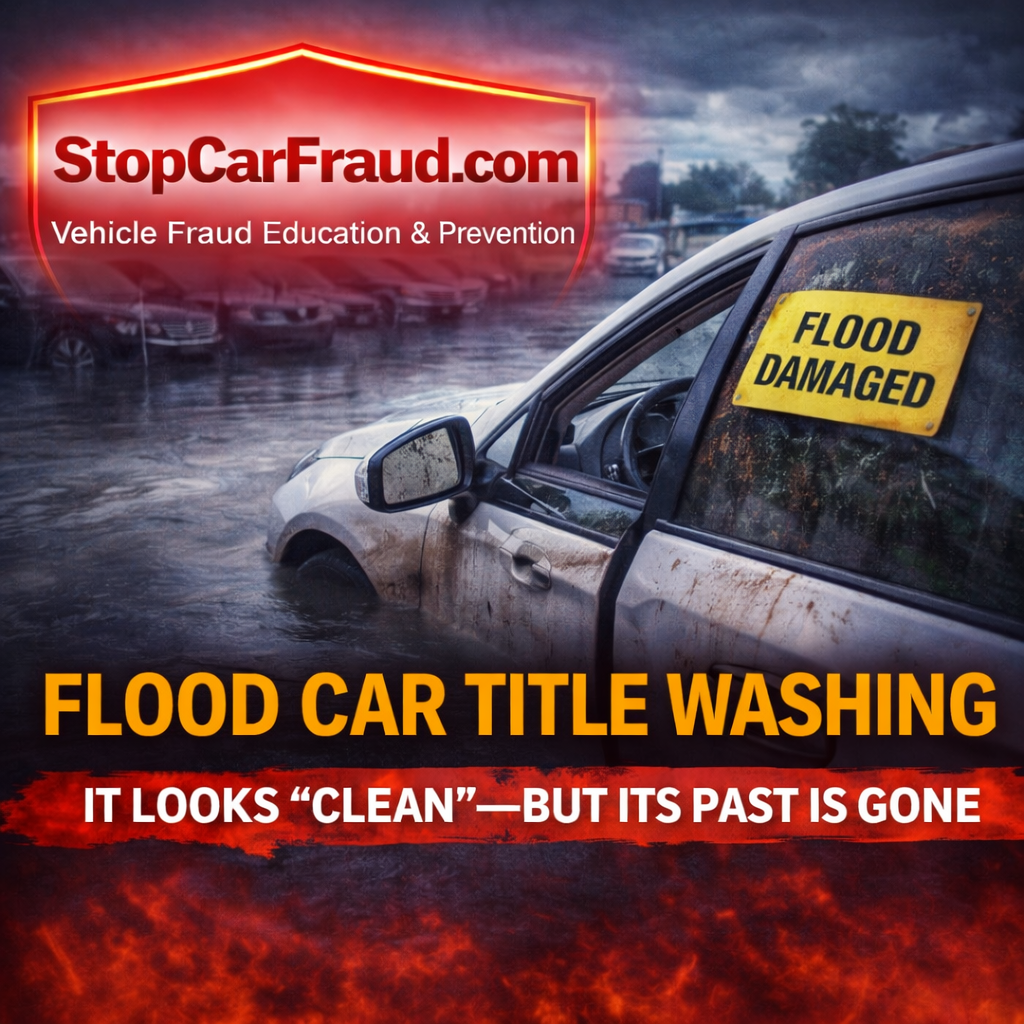
After every major storm, whether it’s hurricanes tearing through Florida or flooding across Texas, insurance companies write off thousands of vehicles as total losses. These are flood cars, and the damage goes far beyond what you can see. Water gets into everything: electrical systems, safety components, engine parts, wiring, and sensors. On paper, these cars are supposed to be clearly marked so buyers know exactly what they’re dealing with.
But that’s not what always happens. Instead, many of these vehicles get a second life through a process known as title washing. It’s one of the most deceptive scams in the car market, and it works because most buyers never see it coming. The flood designation doesn’t get repaired, it gets erased.
Here’s how that plays out. A flood-damaged vehicle is purchased at a steep discount, usually through an insurance auction where it’s clearly labeled as salvage or flood. That label should follow the car permanently. Instead, the vehicle is shipped across state lines to a state with looser title branding rules or gaps in reporting. Through timing, paperwork manipulation, and jurisdictional differences, the flood history becomes harder to trace, or disappears altogether.
Now the same car that was once declared a total loss is sitting on a lot or listed online with a “clean title.” And to you, it looks like a deal. That’s where the real problem begins. Because while the paperwork may look clean, the damage is still very real. Flood damage doesn’t always show up immediately. In fact, that’s what makes it so dangerous. The car may run fine during a test drive, pass a quick inspection, and give you zero indication of what’s already started underneath the surface.
Then, weeks or months later, things begin to fail. Electrical systems glitch. Warning lights appear. Sensors stop responding. Airbags, one of the most critical safety features in the vehicle, may not deploy properly due to corrosion deep within the system. Mold can develop inside the ventilation system, affecting air quality every time you drive. And once these issues start stacking up, you’re no longer dealing with a “good deal”, you’re dealing with a vehicle that was never supposed to be back on the road in the first place. By then, the seller is gone, and you’re left holding the problem.
What makes this scam so effective is how normal it feels. There’s no dramatic red flag, no obvious damage, no reason, on the surface, to walk away. Just a car, a clean looking title, and a price that feels slightly better than expected. And that’s exactly how buyers get pulled in. So the only way to protect yourself is to slow the process down and start asking better questions. Look beyond a single vehicle history report. Pay attention to where the car has been registered and whether it recently moved from a flood-prone region. Watch for inconsistencies in paperwork or ownership history. Trust your instincts if something feels just a little too convenient.
And if you’re not sure what you’re looking at, or you think something isn’t adding up, that’s exactly why StopCarFraud.com exists. We break these scams down in plain terms so you can spot them before they cost you thousands. Because once you buy into a washed title situation, your options shrink fast. The resale value drops, repair costs climb, and safety becomes a question mark you never intended to gamble on.
The reality is simple: A clean title doesn’t guarantee a clean history. And if you don’t catch that before you buy, you’re the one left dealing with everything that was hidden.